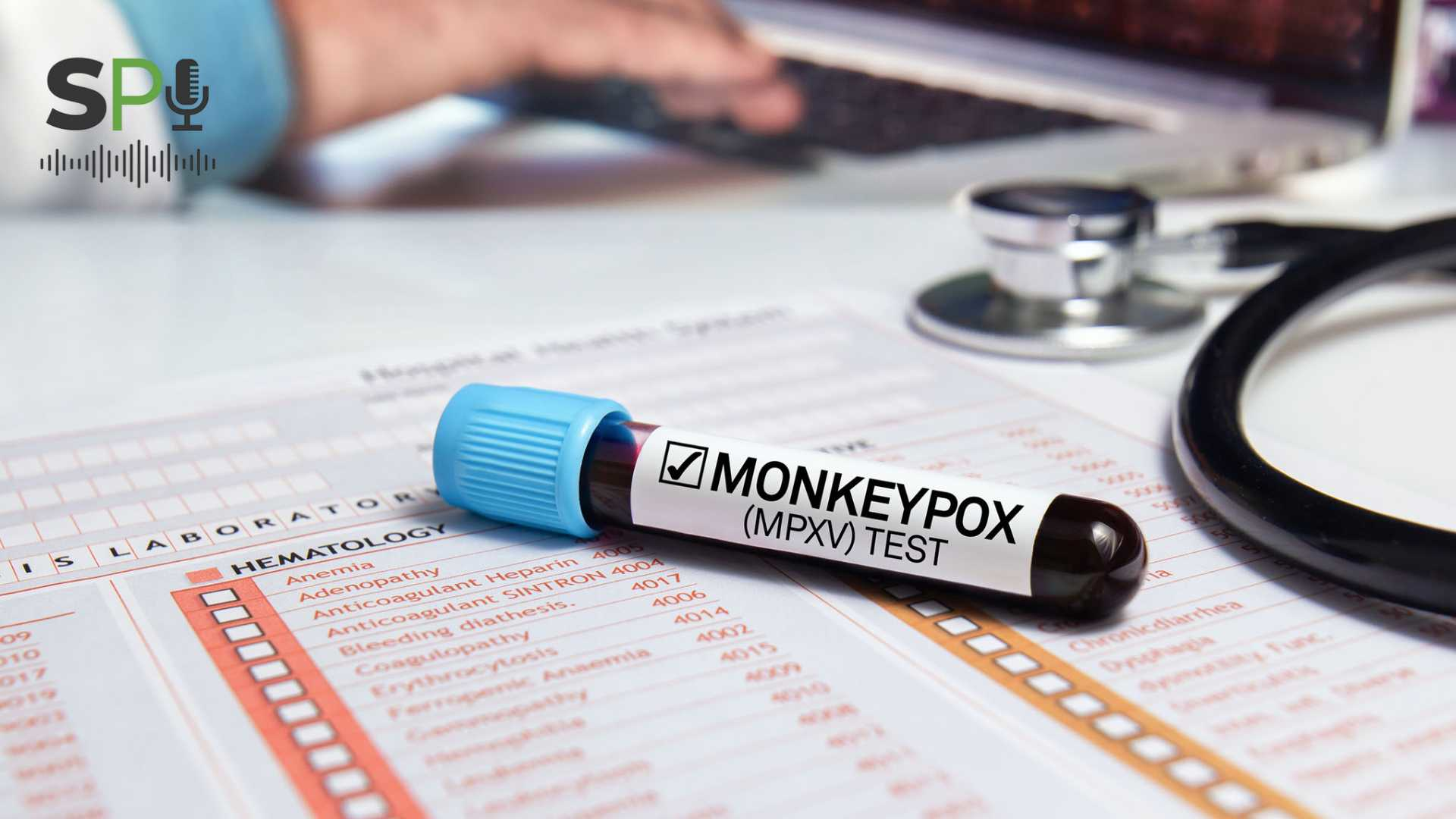
Monkeypox (MPX) continues to be an issue throughout California. So it is no surprise that Cal/OSHA issued guidance to help protect employees. However, this guidance applies only to workplaces covered by the Aerosol Transmissible Diseases (ATD) standard, which is interesting because the guidance states that "MPX spreads primarily by close or direct contact with infectious rashes, lesions, scabs, or body fluids." However, the guidance also states that "the virus can become airborne while changing or handling contaminated linens."
The guidance lays out distinct requirements for outpatient clinics, dental offices, hospitals, and other employers covered by the existing ATD standard. The ATD-covered sites include:
-
Hospitals
-
Skilled nursing facilities
-
Clinics, medical offices, and other outpatient medical facilities
-
Home health care
-
Long-term health care facilities and hospices
-
Medical outreach services
-
Paramedic and emergency medical services
-
Medical transport
-
Homeless shelters (including migrant shelters)
-
Drug treatment programs
-
Laboratories that perform procedures with materials that contain or are reasonably anticipated to contain aerosol transmissible pathogens
The guidance also provides that all employers covered by the ATD standard must provide and ensure uses of respiratory protection defined as fit-tested, NIOSH-approved particulate respirator equipped with an N95 filter or higher for employees who:
-
Enter a room occupied by an airborne infectious disease case or suspected case, including MPX;
-
Enter an airborne infection isolation room or area that is in use for airborne infection isolation;
-
Are present during procedures or services on an airborne infectious disease case or suspected case, including MPX;
-
Repair, replace, or maintain air systems or equipment that may contain or generate aerosolized pathogens;
-
Work in an area occupied by an airborne infectious disease case or suspected case, including MPX;
-
Are present during decontamination of an area where an infected patient or client was located;
-
Work in a residence where an airborne infectious disease case or suspected case, including MPX, is known to be present;
-
Are present during the performance of aerosol-generating procedures on patients suspected or confirmed to have an airborne infectious disease such as MPX (powered air-purifying respirator or better);
-
Are present during the performance of aerosol-generating procedures on cadavers that may be infected with aerosol transmissible pathogens (powered air-purifying respirator or better);
-
Perform a task for which the Biosafety Plan or Exposure Control Plan requires the use of respirators;
-
Transport an airborne infectious disease case or suspected case, including MPX, within a facility or in an enclosed vehicle when the patient or client is not masked; or
-
Handle linen potentially contaminated with MPX unless effective procedures are used that prevent the release of virus particles.
Covered employers must also provide personal protective equipment (PPE) to employees exposed to a person with or suspected to have MPX, including gowns, gloves, and eye protection.
Lastly, covered employers must implement written procedures for exposure incidents (aka a "significant exposure"), which is more specifically defined in the guidance. For such incidents, the following obligations will apply under the ATD Standard:
-
Notify workers who had significant exposure of the exposure's date, time, and nature.
-
Provide a post-exposure medical evaluation by a physician or other licensed health-care professional (PLHCP) knowledgeable about MPX, including appropriate vaccination, prophylaxis, and treatment.
-
Provide post-exposure prophylaxis (i.e., vaccination for MPX) as soon as possible; often done through the local health department.
-
Report the exposure to the local health officer.
-
Remove the employee from the workplace if the PHLCP or local health officer recommends precautionary removal. Maintain the employee's pay, rights, benefits, etc., during precautionary removal.
Because the guidance is extremely specific, please review the Cal/OSHA guidance directly.

Blaine J. Hoffmann has been in the occupational safety & health industry for over 27 years. He is the producer and host of The SafetyPro Podcast and the founder of the SafetyPro Podcast Community Site.