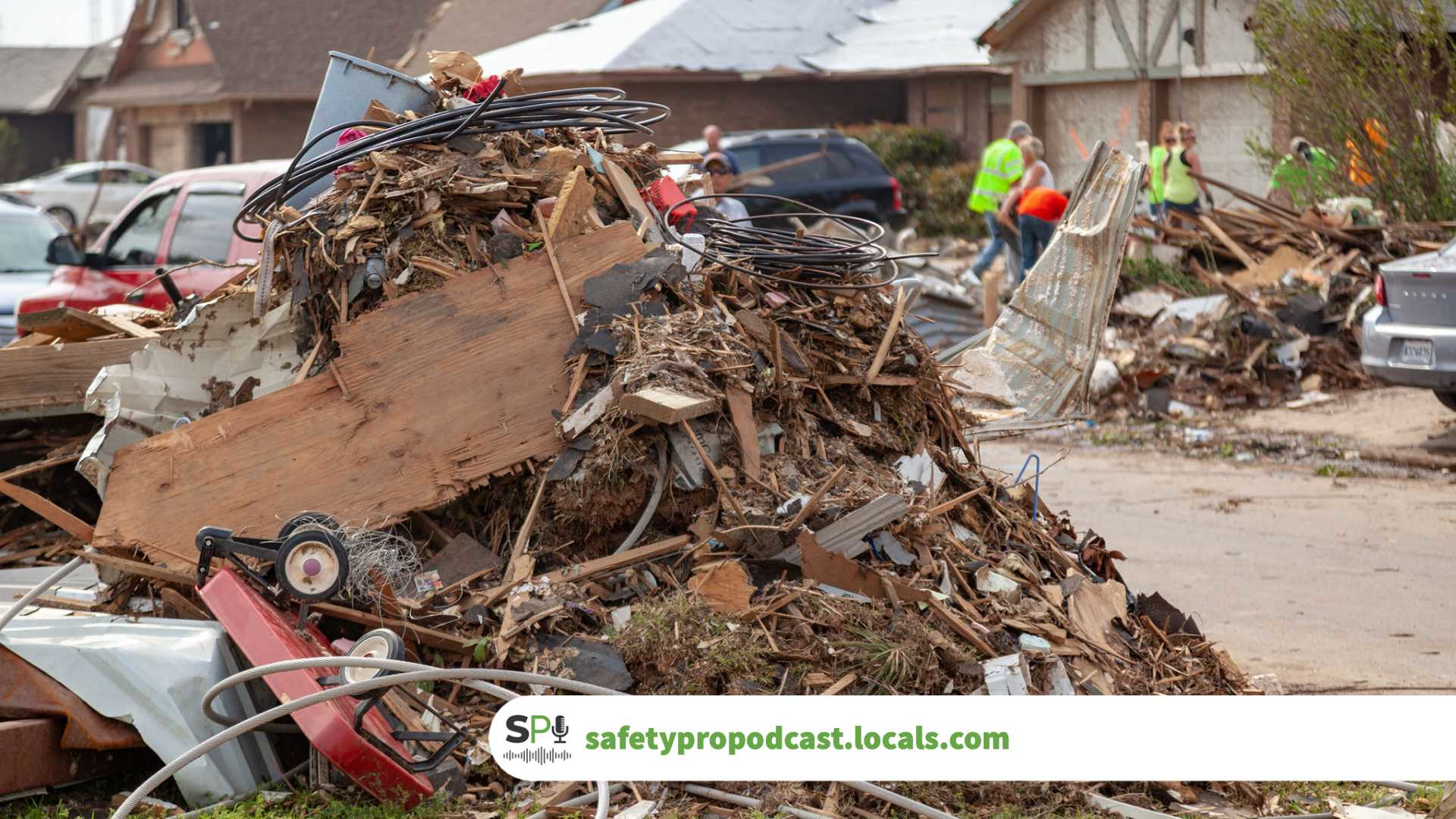
Unfortunately, there have been several man-made and natural disasters reported by news outlets, which got me thinking about all the people involved in the response and cleanup operations.
Natural disaster cleanup operations involve many individuals and organizations working together to restore the affected area and help the community recover. Some of the people and organizations typically engaged in natural disaster cleanup operations include:
- Emergency responders: Firefighters, police officers, and other emergency responders may be involved in the initial response to a natural disaster, providing search and rescue services, medical care, and evacuation assistance.
- Federal, state, and local government agencies: Federal Emergency Management Agency (FEMA), the National Guard, and local government departments may be involved in disaster response and recovery efforts.
- Non-profit organizations: Non-profit organizations, such as the American Red Cross, often provide support services, such as shelter, food, and clothing, to those affected by natural disasters.
- Private sector companies: Companies, such as utility companies and contractors, may be involved in restoring essential services and infrastructure, such as power and water.
- Volunteer organizations: Volunteer organizations, such as faith-based groups and community service organizations, may assist with disaster response and recovery efforts, such as by helping to clean up debris and rebuilding homes.
- Residents: Members of the affected community may also be involved in the cleanup effort, either as volunteers or as workers hired by the government or private sector organizations.
During natural disaster cleanup activities, it is important to take precautions to ensure the safety of those involved. Some of the safety issues include the following:
- Structural hazards: Buildings and structures damaged during a natural disaster can pose a risk of collapse or other hazards.
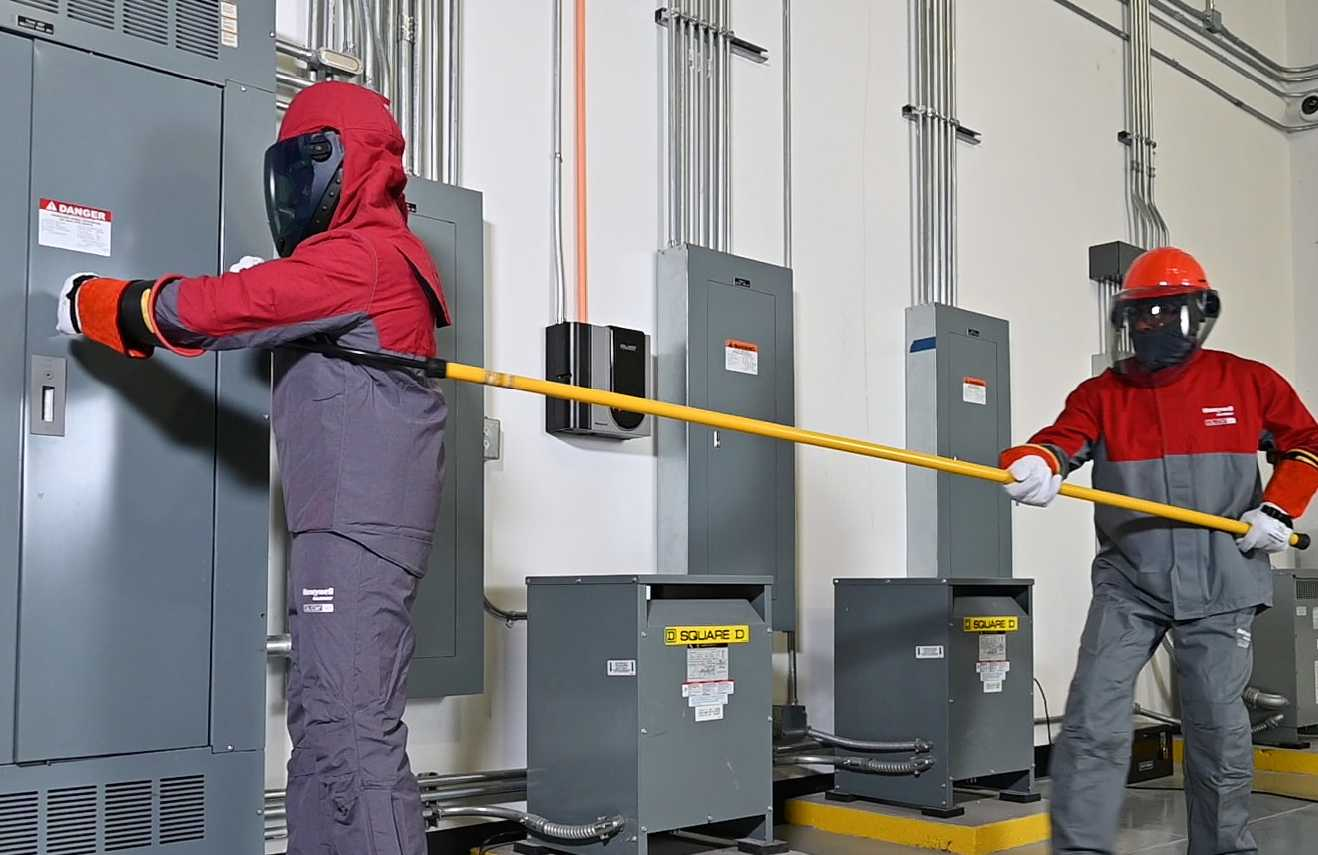
- Electrical hazards: Downed power lines and damaged electrical systems can pose a risk of electrical shock or fire.
- Chemical hazards: Hazardous chemicals may be released into the environment during a natural disaster, posing a risk to those involved in cleanup activities.
- Biological hazards: Natural disasters can cause the release of harmful bacteria, viruses, and other biological hazards into the environment.
- Environmental hazards: Exposure to extreme weather conditions, such as high heat or cold, can pose a risk to those involved in cleanup activities.
- Heavy machinery hazards: Using heavy machinery during cleanup activities can pose a risk of injury or death if proper safety procedures are not followed.
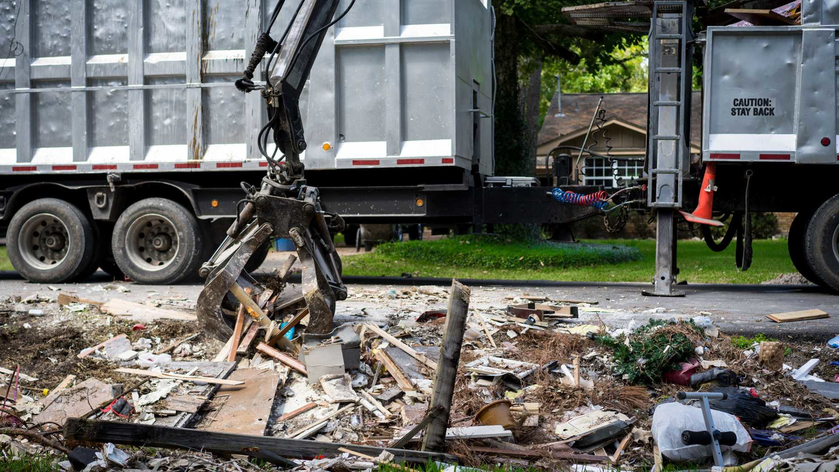
Another dangerous activity during natural disaster cleanup operations involves unconventional rigging. Unconventional rigging refers to non-traditional or improvised methods for hoisting, lifting, and moving heavy objects during natural disaster cleanup operations. Some examples of unconventional rigging include:
- Vehicle winches: Using the winch on a vehicle, such as a truck or a bulldozer, to move heavy debris or fallen trees.
- Rope and pulley systems: Setting up a rope and pulley system using nearby trees, poles, or other solid anchors to lift and move heavy objects.
- Human power: In the absence of conventional rigging equipment, teams manually lift and move heavy objects, such as by using a bucket brigade.
- Improvised slings: Using tarps, blankets, or other materials to create slings or lifting harnesses to move heavy objects.
It is important to note that trained professionals should only perform unconventional rigging and always be done cautiously to minimize the risk of injury or damage. Additionally, obtaining permits and following local regulations may be necessary before using unconventional rigging methods during natural disaster cleanup operations.
Providing proper facilities and nourishment for workers at a natural disaster cleanup site is vital for their well-being and the operation's success. Some of the facilities and food/drink considerations include:
- Rest areas: Providing adequate rest areas, such as tents or temporary shelters, for workers to take breaks and rest.
- Sanitation facilities: Providing portable toilets and hand-washing stations to ensure workers have access to basic hygiene facilities.
- Food and water: Ensuring workers can access nutritious food and clean water to maintain their energy levels and hydration.
- Medical care: Providing medical care, such as first aid stations and emergency medical services, to address any injuries or illnesses during the cleanup operation.
- Communication equipment: Providing communication equipment, such as radios or phones, ensures that workers and emergency responders can stay in contact with each other.
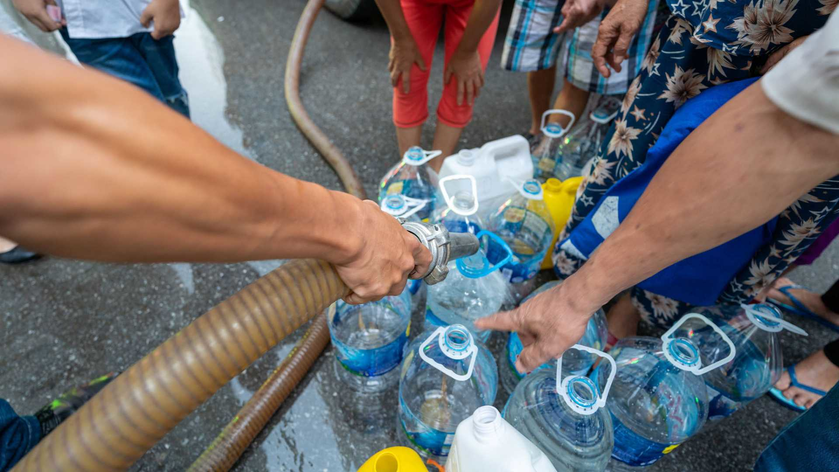
In addition to these facilities and food/drink considerations, it is crucial to have a clear plan for safety and emergency response in case of accidents or other incidents during the natural disaster cleanup operation.
The safety equipment needed for a natural disaster cleanup operation will depend on the specific hazards in the affected area. However, some of the safety equipment might include:
- Hard hat: To protect the head from falling debris or other hazards.
- Gloves: To protect the hands from cuts, bruises, or hazardous materials.
- Safety glasses: To protect the eyes from dust, debris, or other hazards.
- Respirators: To protect against respiratory hazards, such as dust, fumes, or hazardous chemicals.
- Safety-toed boots/metatarsal protection: To protect the feet from falling objects and other hazards.
- High visibility clothing: To make workers more visible in low-light conditions or the presence of heavy machinery.
- First aid kit: To provide immediate medical care for any injuries that may occur.
- Fall Protection Equipment: To provide fall protection when working at heights or in areas with a risk of falling.
It is important to remember that all PPE will require specific training and potentially require medical evaluations, as with respirators.
There will also be a need for ropes. The type of rope needed for a natural disaster cleanup operation will depend on the specific tasks performed and the conditions in the affected area. However, some of the common types of rope include the following:
- Polypropylene rope: This is a lightweight, durable, and low-cost rope that is good for general-purpose tasks, such as securing tarps or tying down debris. In addition, this type of synthetic rope does not absorb liquids, is relatively resistant to UV breakdown and abrasion, and does not rot, making it one of the longest-lasting materials, which may be highly beneficial during natural disaster cleanup operations due to the potential to come into contact with unknown substances. The fact that it floats on water is a great addition, too. Typical uses of this type of rope include pulling cables, tying down materials, and various uses in and around water (e.g., marine use, flooding, and during periods of rain).
- Nylon rope: This strong and durable rope is resistant to abrasion, UV light, and chemicals. Nylon rope is suitable for heavy-duty tasks, such as lifting, winching/pulling heavy debris, and water-based applications (e.g., use during flooding). Nylon is one of the most favored rope materials on the market. This type of rope is exceptionally strong, highly flexible, and shock absorbent (capable of stretching up to ~20% and returning to its original length).
- Manila rope: This natural fiber rope is strong, flexible, and resistant to rot UV. Manila rope is adequate for applications that require a robust and natural-fiber rope, such as tying down large objects or securing heavy equipment. The cons to this material are that it absorbs water, causing it to shrink (and sink) when wet. With cleanup operations often taking weeks or months to complete, you should ensure that this is stored indoors when not in use. It is susceptible to the elements if left outdoors for extended periods and will rot and break down over time.
- Utility rope: This general-purpose rope is for various applications, including tying down debris, securing equipment, and lifting heavy objects. Many utility ropes are made of multifilament polypropylene (MFP). If you need to tie knots, lift heavy materials, or tie down tents for staying overnight, utility rope is an excellent choice due to its many uses. If other ropes are past their service life, they may still be good as utility ropes. Be sure to mark utility ropes to differentiate them from other ropes.
Contrary to polypropylene rope, nylon rope does absorb water relatively quickly, compromising its structure and taking time out of your cleanup operations to let it dry - Drew Hinton, Drew Hinton, President/CEO Arrow Safety
Choosing the right type of rope for each task is vital, considering factors such as strength, durability, and resistance to the specific hazards in the affected area. Additionally, inspect ropes regularly to ensure they are in good condition and suitable for use.
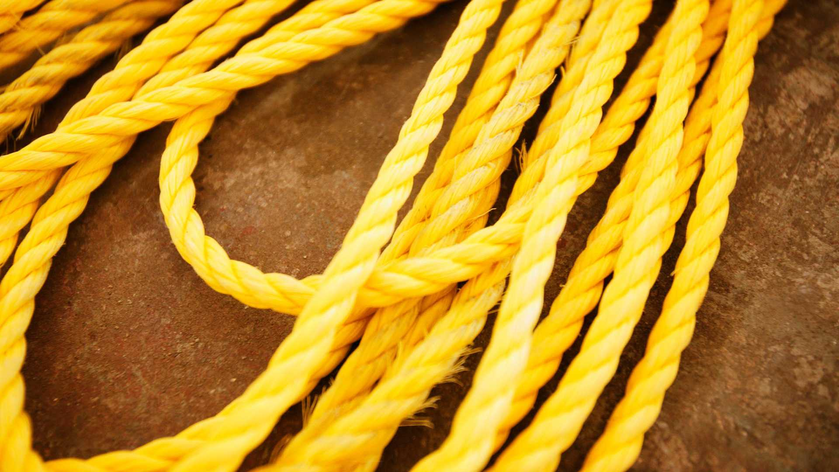
It is important to train workers to use ropes and other safety equipment properly and replace any damaged or worn equipment to maintain its effectiveness. Additionally, safety equipment should be appropriate for the hazards and tasks performed during the natural disaster cleanup operation.
Conclusion
While this is not an exhaustive list, you can see that safety during disaster cleanup operations requires a lot of planning. It is crucial to follow all safety guidelines and to wear appropriate personal protective equipment to minimize the risk of injury during these activities. What tips do you have for working in these situations? Please post them below.

Drew Hinton is President/CEO of Arrow Safety and has 10 years of experience as a career Firefighter/EMT/HazMat Officer in Louisville (KY) and 15 years as a safety professional.

Blaine J. Hoffmann has been in the occupational safety & health industry for over 27 years. He is the producer and host of The SafetyPro Podcast and founded the SafetyPro Podcast Community Site.