



The SafetyPro Podcast
Education • News • Business
This community is all about safety professionals supporting each other. I wanted to create a space for us to support each other, share our thoughts, ideas, and resources confidentially - with trust and integrity. Join me in the SafetyPro Community TODAY!
Interested? Want to learn more about the community?
Live chatted 01/13/2022
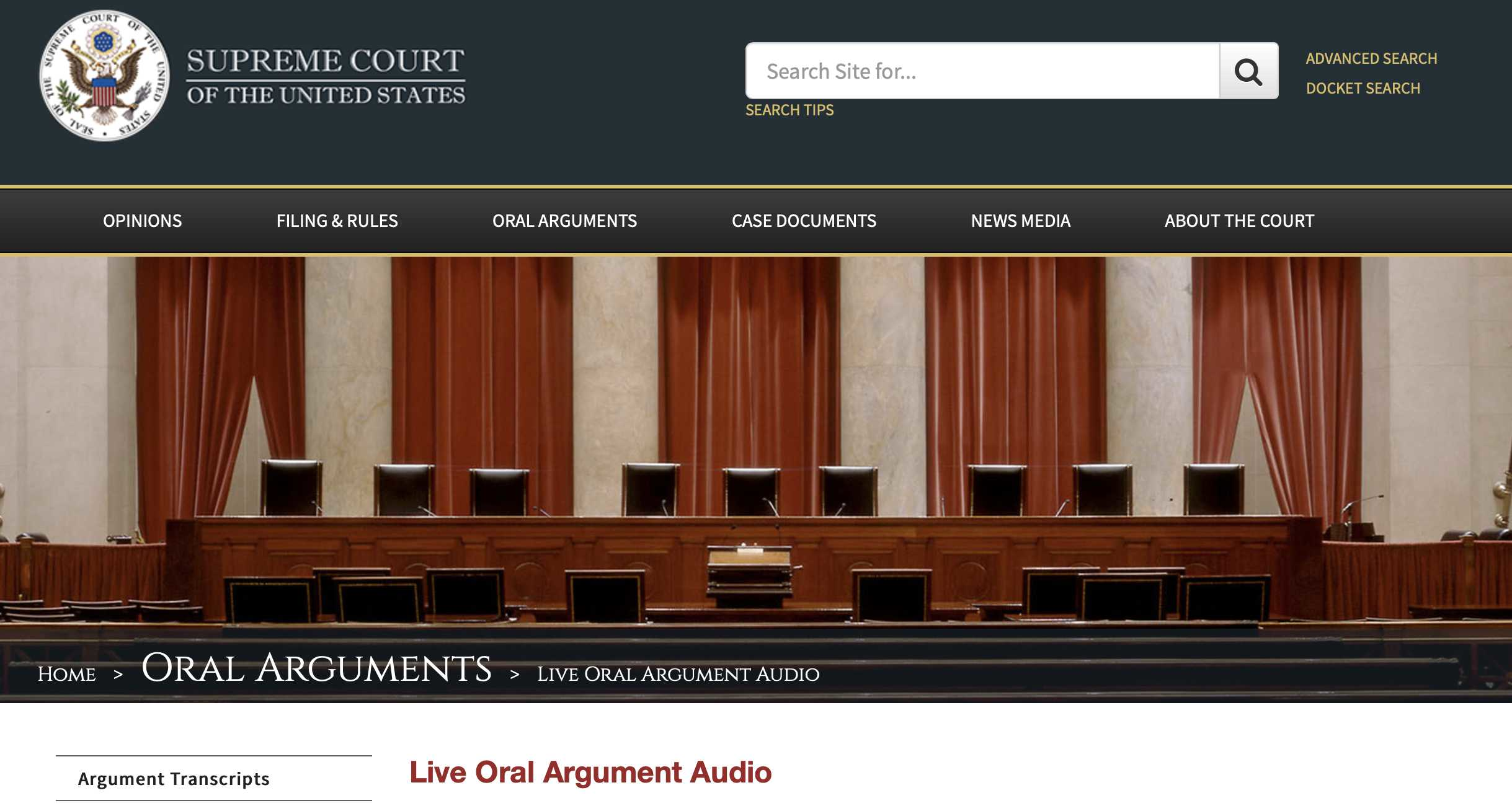
BREAKING: Supreme Court Stays OSHA ETS Pending Court Review

The Supreme Court blocked the Biden administration’s emergency rule that would have forced large employers to vaccinate or regularly test their employees.

“OSHA’s COVID–19 Vaccination and Testing; Emergency Temporary Standard, 86 Fed. Reg. 61402, is stayed pending disposition of the applicants’ petitions for review in the United States Court of Appeals for the Sixth Circuit and disposition of the applicants’ petitions for writs of certiorari, if such writs are timely sought. Should the petitions for writs of certiorari be denied, this order shall terminate automatically. In the event the petitions for writs of certiorari are granted, the order shall terminate upon the sending down of the judgment of this Court,” the court concluded in a 6-3 decision.

Chief Justice Roberts and Justice Gorsuch suggested the pandemic would best be handled by the states or Congress. Justices Amy Coney Barrett critiqued the broadness of the mandate. Justice Brett Kavanaugh, given the economic and political stakes, posited that the governing statute did not provide clear authority for such a broad mandate.

post photo preview
Interested? Want to learn more about the community?
What else you may like…
Videos
Podcasts
Posts
Articles
[VIDEO] Episode 196: The Future of Safety Leadership w/Heather MacDougall

In this episode, Blaine J. Hoffmann interviews Heather MacDougall, a seasoned workplace safety and management professional. They discuss the evolving role of safety leaders, the impact of AI on safety management, and the importance of shifting from a compliance mindset to one that aligns with business goals.

Heather emphasizes the need for safety professionals to build trust and collaboration within organizations, make informed decisions, and leverage available resources to drive continuous improvement. The conversation highlights the future of safety as a systems-thinking approach that integrates safety goals with business needs.

00:46:54
Coffee Topic: What Gets Measured Gets Controlled, Even If We Shouldn’t Measure It

Happy Friday! Ok, maybe we should be "Rethinking" safety metrics? See what I did there?

Let me know what you think! 👇

00:12:33
Coffee Topic: The Good, The Bad, The Ugly… and The Wishlist

Happy Friday! I share some thoughts about the future of the community site, and End of Year (EOY) Reviews! I actually enjoy them. What do you think?👇

00:09:43
California Outdoor Heat Illness Regulations: Key Measures for Summer Heat Inspections

This Ogletree Deakins podcast episode delves into the California outdoor heat illness standard, focusing on implementation and Cal/OSHA enforcement.

Kevin Bland and Karen Tynan discuss effective outdoor heat illness training practices for supervisors and employees, the benefits of onboarding training, and water and shade access requirements, and also offer best practices for employers implementing high-heat procedures.

California Outdoor Heat Illness Regulations: Key Measures for Summer Heat Inspections
Dirty Steel-Toe Boots, Episode 10: Corporate Counsel’s Role Managing OSHA Compliance

In this episode of Dirty Steel-Toe Boots, host Phillip B. Russell has an enlightening conversation with Lori Baggett, an in-house corporate counsel with responsibility for legal issues related to workplace safety and health and Occupational Safety and Health Administration (OSHA).

Lori discusses how her experience as a former outside counsel helps her add value to her role as vice president and assistant general counsel. She offers practical tips for in-house counsels responsible for OSHA matters, including those with limited experience in this area.

Lori also shares some tips for in-house safety professionals on best working with their legal departments to improve safety and manage liability. Phillip and Lori have a candid and insightful discussion about diversity, equity, and inclusion in the legal profession.

Dirty Steel-Toe Boots, Episode 10: Corporate Counsel’s Role Managing OSHA Compliance
EP 116: Safety and the Younger Workforce

A comprehensive public health strategy is needed to protect younger workers, Centers for Disease Control and Prevention researchers say after their recent study showing that the rate of nonfatal on-the-job injuries among 15- to 24-year-olds is between 1.2 and 2.3 times higher than that of the 25-44 age group. Have a listen and join in on the conversation - what has been your experience working with younger workers and safety?👇

EP 116: Safety and the Younger Workforce
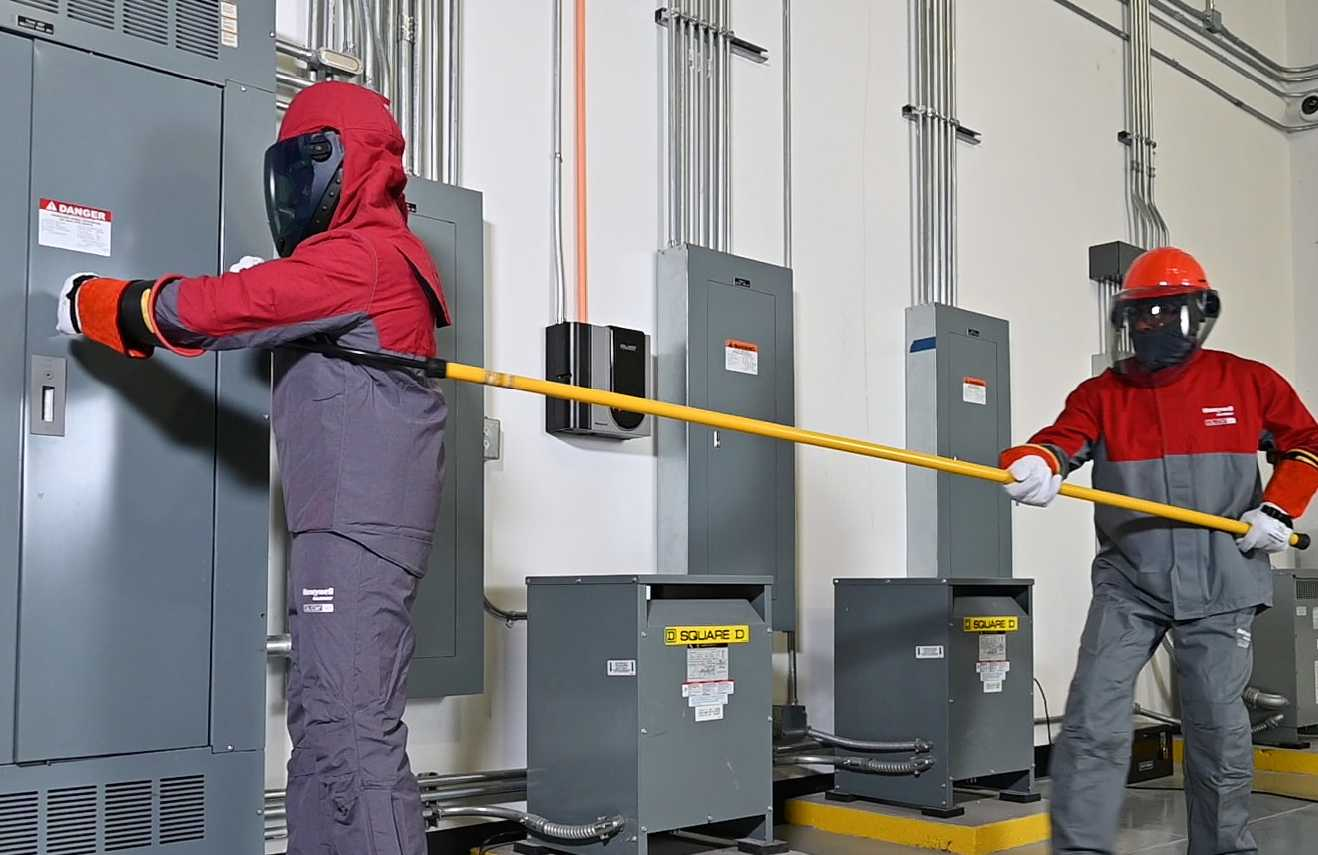
⚡𝐍𝐞𝐰 𝐍𝐅𝐏𝐀 𝟕𝟎𝐄 𝐑𝐞𝐪𝐮𝐢𝐫𝐞𝐦𝐞𝐧𝐭: 𝐓𝐡𝐞 "𝐀𝐝𝐝𝐢𝐭𝐢𝐨𝐧𝐚𝐥 𝐏𝐞𝐫𝐬𝐨𝐧" ⚡

Working on energized electrical equipment just got a new layer of protection in the 2027 edition of NFPA 70E. If you’re a Qualified Person performing energized work, you need to know about the update to Article 130.

💡 𝐖𝐡𝐚𝐭’𝐬 𝐍𝐞𝐰?

The standard now explicitly requires an additional person to be present during certain energized tasks. This isn't just a "buddy system"—it’s a specific safety mandate.

📋 𝐖𝐡𝐞𝐧 𝐢𝐬 𝐭𝐡𝐢𝐬 𝐫𝐞𝐪𝐮𝐢𝐫𝐞𝐝?

The "Additional Person" is mandatory when:

• An energized electrical work permit (EEWP) is required; and

• That EEWP specifies the use of electric shock PPE and/or arc flash PPE.

🛡️ 𝐖𝐡𝐨 𝐢𝐬 𝐭𝐡𝐢𝐬 "𝐀𝐝𝐝𝐢𝐭𝐢𝐨𝐧𝐚𝐥 𝐏𝐞𝐫𝐬𝐨𝐧"?

They can't just be anyone standing nearby. To comply with the new rule, this person must:

• 𝐁𝐞 𝐭𝐫𝐚𝐢𝐧𝐞𝐝 𝐢𝐧 𝐄𝐦𝐞𝐫𝐠𝐞𝐧𝐜𝐲 ...

post photo preview
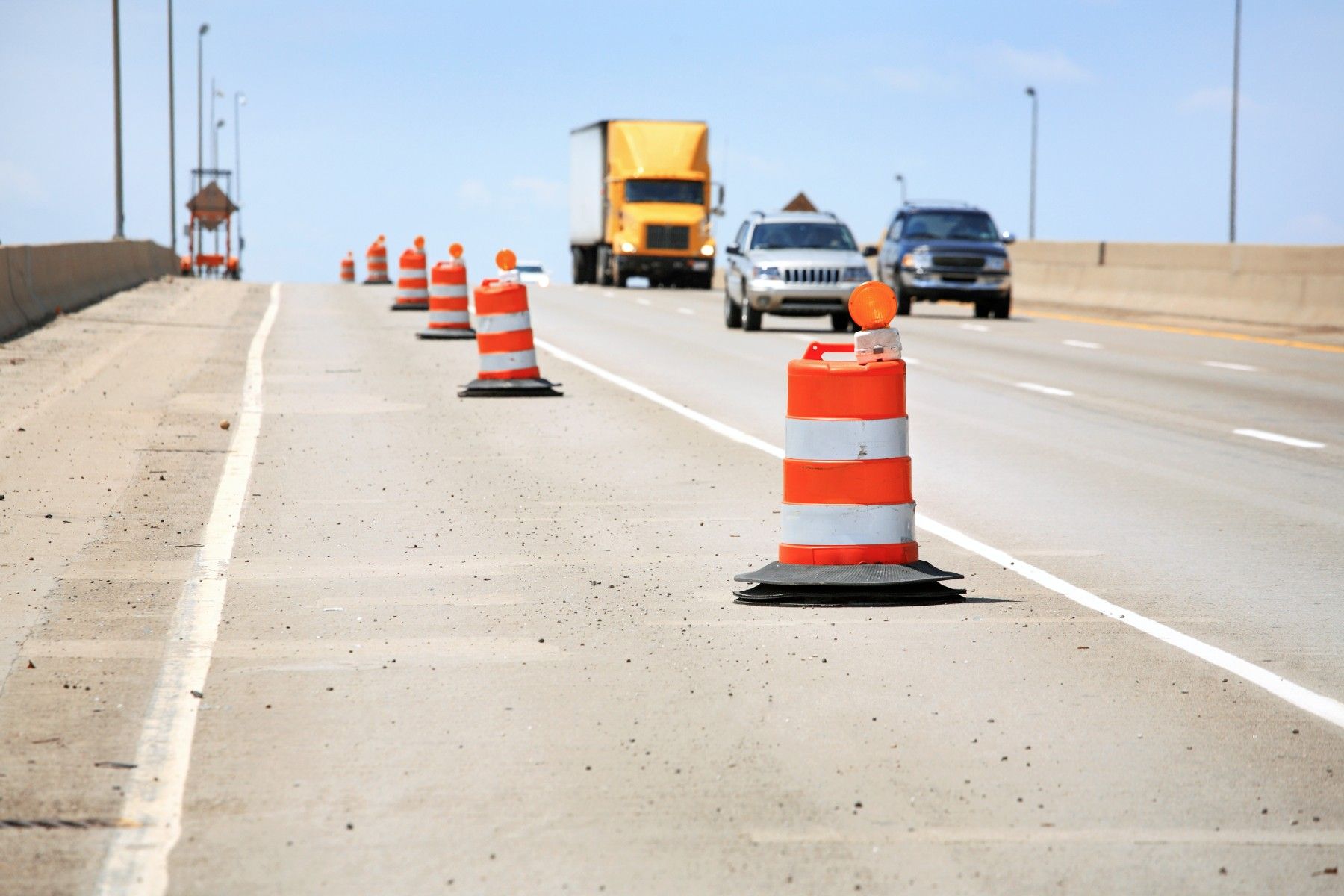
$60M Settlement in I-55 Work Zone Paraplegia Case

Multiple defendants paid $60 million to settle claims that negligent I-55 construction-zone conditions caused a crash leaving a woman paralyzed.

From the Expert Institute: https://www.expertinstitute.com/resources/insights/60m-work-zone-settlement

Episode 199: Dynamic Warm-Ups wLori Frederic

Lori Frederic from Balance BioMechanics (The Movement Ninja) covers workplace fitness, injury prevention, and the importance of understanding the 'why' behind movement and exercise. Lori shares some of the challenges of construction work, the transition to dynamic warm-ups, and the role of influencers in behavior change. The discussion also explores the shift to functional fitness, advances in understanding human anatomy, and the simplification of nutrition and fitness messaging.

Takeaways

• Workplace fitness and injury prevention
• The importance of understanding the 'why' behind movement and exercise

Check it out! 👇🏻

post photo preview
Teaching Safety Before the First Day on the Job

One of the most encouraging developments in career and technical education is the recognition that workplace safety should not be treated as an afterthought. The Texas Education Agency’s recently adopted Occupational Safety and Compliance Lab course is a good example of a better approach: introduce students to safety while they are learning the work, not years later after bad habits, shortcuts, and assumptions have already taken root.

That matters.

For too long, workplace safety has been framed as something separate from the job. We teach the trade, then we teach the rules. We teach the task, then we hand someone a checklist. We teach production, then we remind people not to get hurt.

That order is backward.

Safety is not a side activity. It is part of how good work gets done. A competent worker does not simply know how to weld, operate equipment, handle materials, repair machinery, work around chemicals, or move through a jobsite. A competent worker understands the hazards, controls, procedures, communication, and responsibilities that come with the work.

That is why teaching occupational safety earlier makes sense.

The TEA course connects safety and compliance concepts directly to career and technical education. Students are introduced to OSHA, worker and employer responsibilities, PPE, hazard communication, Safety Data Sheets, emergency planning, industrial hygiene, ergonomics, machine guarding, powered industrial truck hazards, fire safety, incident reporting, corrective actions, and accident investigation concepts. In plain English, they are learning that work carries risk, that risk can be understood, and that good systems help people manage that risk before someone gets hurt.

That is a powerful shift.

For students, this kind of exposure can build confidence and maturity before they enter the workforce. They learn the language of safety. They learn that asking questions is not a weakness. They learn that reporting a hazard is not the same as complaining. They learn that procedures, inspections, housekeeping, training, and communication are not paperwork games. They are defenses.

For employers, the benefit is just as clear. A young worker who has already been introduced to basic occupational safety concepts is easier to onboard, easier to coach, and more likely to recognize when something does not look right. That does not replace employer training. Let’s not get silly. A high school course is not a magic force field. But it can give future workers a foundation that employers can build on, rather than starting from scratch.

There is also a cultural benefit. When students learn early that safety is part of the craft, they are less likely to see it as the “safety guy’s job” later. They are more likely to understand that safe work requires participation from workers, supervisors, managers, and safety professionals. That is exactly the kind of thinking modern organizations need.
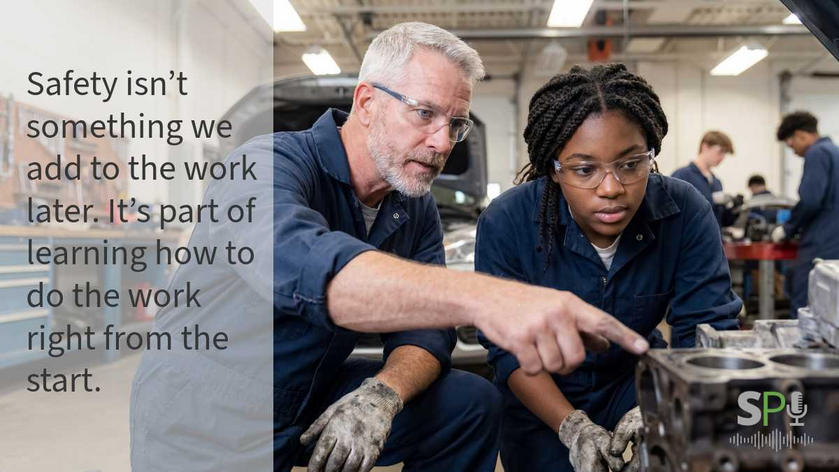
This also creates an opportunity for employers to get involved. Local businesses can partner with schools, support CTE programs, offer site visits, provide guest speakers, participate in advisory groups, and help students see how these concepts show up in real workplaces. Not sanitized textbook workplaces. Real ones. The ones with noise, moving equipment, production pressure, weather, chemicals, fatigue, awkward postures, and competing priorities.

That is where the learning gets sticky.

The best version of this is not “kids memorizing OSHA facts.” The best version is students learning how to think about work. What can hurt me? What can hurt someone else? What controls are in place? Are they enough? What do I do if something changes? Who needs to know? What does good work look like when we include safety, quality, and productivity in the same conversation?

That is the point.

Safety education should not begin after someone receives their first hard hat, badge, timecard, or paycheck. It should begin when we are teaching people what it means to do the work well.

Texas may be putting structure around something many of us in the safety profession have believed for years: the earlier we teach people that safety is part of the work, the better prepared they are to enter the workforce, and the better prepared employers are to receive them.

That is good for students. That is good for employers. And most importantly, it is good for the people who will be working next to them.

What do you think? Be sure to share your thoughts.

Source note: Based on the Texas Education Agency’s adopted 19 TAC §127.16, Occupational Safety and Compliance Lab, and TEA’s CTE program-of-study framework, which emphasizes coherent course sequences, industry-based certifications, and work-based learning opportunities.


Blaine J. Hoffmann, MS OSHM

Blaine J. Hoffmann has been in the occupational safety & health industry for 30 years and is the author of Rethinking SAFETY Culture and Rethinking SAFETY Communications. Blaine is the producer and host of The SafetyPro Podcast.

Read full Article
post photo preview
California AB 2321: A Proposed Shift in How Serious Workplace Accidents Could Be Investigated
What employers need to know...

California Assembly Bill 2321 is one of those pieces of legislation that may not grab national headlines, but safety professionals should pay attention to it. Not because it may rewrite every employer obligation under Cal/OSHA, but because it speaks directly to what happens after a serious workplace accident, especially one involving a fatality or a life-altering injury. And that matters.

When something goes terribly wrong at work, the investigation process shapes more than a legal file. It shapes what gets learned, who gets held accountable, how quickly prosecutors get involved, and whether the system has enough structure to handle the most serious cases consistently.

AB 2321 appears aimed at tightening that process.

What the Bill Is Really About

AB 2321 focuses on the Bureau of Investigations within California’s Division of Occupational Safety and Health. That bureau already has responsibilities related to serious accident investigations, including cases involving death, serious injury, serious exposure, and matters that may be referred for prosecution.

The proposed bill would not simply add a new penalty or create a shiny new employer requirement. Instead, it would change how certain serious cases are reviewed, documented, referred, and reported.

In plain English, this bill is about process discipline.

That may sound boring, but process discipline is often where the wheels come off after serious incidents. The difference between “we looked at it” and “we followed a documented, reviewable decision process” is a big deal.

The Biggest Proposed Change

The most significant piece of AB 2321 is that, once sufficient funding is appropriated, accident investigations involving a death or permanent total disability would be directed by the appropriate prosecuting authority rather than the Bureau of Investigations.

That is a major shift.

Today, safety agencies often operate in that difficult space between regulatory enforcement and criminal referral. AB 2321 would move the lead responsibility for certain severe cases closer to the criminal prosecution side of the house.

For employers, this does not mean every fatality automatically becomes a criminal case. That would be an overstatement. But it does mean the earliest stages of the investigation could be more directly connected to prosecutors when the outcome involves death or permanent total disability.

That changes the tone. It changes the stakes. And it likely changes how carefully everyone will need to manage records, interviews, evidence, timelines, and communications.

Written Procedures and Documented Decisions

Another important part of the bill would require the Bureau of Investigations to establish written policies and procedures for reviewing cases and deciding whether to investigate or refer them for prosecution.

That includes documenting the rationale when the bureau decides not to investigate or not to refer a case.

This is the part safety professionals should appreciate.

A decision not to investigate can be just as important as a decision to investigate. Without documentation, those decisions can look arbitrary, inconsistent, or politically convenient. With documentation, there is at least a record of the reasoning.

That does not guarantee perfect decisions. Nothing does. But it creates a stronger expectation that serious case decisions should be explainable.

In safety terms, this is similar to what we ask organizations to do every day: define the process, follow the process, document the decision, and make the decision reviewable.

Funny how that works when the microscope turns toward the agency side, too.

More Information Sharing

AB 2321 would also require the Division to establish a routine or automated process for transmitting information to the Bureau of Investigations about accident cases with nonfatal injuries.

This matters because serious nonfatal injuries can reveal the same organizational weaknesses as fatal events. In many cases, the only difference between a serious injury and a fatality is timing, distance, luck, emergency response, or a few inches of separation.

A process that improves visibility into nonfatal serious cases could help identify situations that warrant deeper review before the next event becomes fatal.

That is the theory, at least.

The practical question is whether the system will have the staffing, funding, and case-management discipline to do something useful with that information. Data flowing into a weak process does not create learning. It just creates a bigger inbox.

Expanded Annual Reporting

The bill would also expand the Bureau’s annual reporting requirements. The report would go not only to the Division and Director, but also to the Legislature.

The report would include case totals, investigation activity, referrals for prosecution, dispositions, cases not referred, resource use, vacancy rates, job classifications, and additional positions needed to carry out the bureau’s duties.

That is a transparency move.

It gives lawmakers and the public a better look at whether the Bureau of Investigations is staffed and functioning at the level expected of it. That could matter a lot if the system is struggling with vacancies, delayed investigations, or inconsistent referrals.

For employers, this kind of reporting may also give a clearer picture of enforcement trends over time. How many cases are being referred? What types of cases are being declined? What reasons are given for nonreferral? Are staffing shortages affecting investigation capacity?

Those are fair questions.

What Employers Should Not Take From This

Employers should not read AB 2321 and panic.

This is proposed legislation. It is not a new employer checklist. It does not appear to create a new safety program requirement, new training rule, or new injury reporting threshold for employers.

It also should not be reduced to “California is criminalizing workplace accidents.” That is too blunt and not especially helpful.

The better reading is this: California is looking at how the most serious workplace accident cases are evaluated and whether the handoff between safety enforcement and prosecution needs to be clearer, more consistent, and better documented.

That is different from saying every bad outcome equals criminal conduct. We hope!

What Safety Leaders Should Take From This

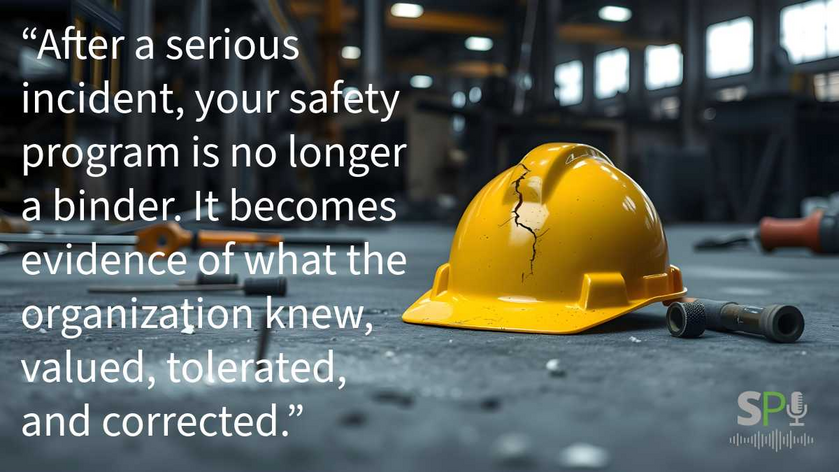
The lesson for safety leaders is simple: when a serious event happens, your organization’s process will be judged.

Not just the written program. Not just the training record. Not just the inspection checklist.

The real questions will be:

  • Did leaders understand the hazard?
  • Were known issues corrected?
  • Were employees trained and equipped?
  • Were procedures realistic?
  • Were safeguards maintained?
  • Were concerns ignored, normalized, or explained away?
  • Was production allowed to quietly outrank safety?
  • Did the organization learn from prior warning signs?

That is where serious cases usually turn. Not on the slogan in the safety manual, but on what the organization knew, what it did, and what it failed to do.

The Practical Takeaway

AB 2321 is a reminder that serious injury and fatality prevention is not just about compliance. It is about organizational credibility.

If your workplace has high-risk operations, now is a good time to pressure-test the basics:

  • Review your serious injury and fatality risks.
  • Make sure your critical procedures are current, usable, and actually followed.
  • Look closely at repeat hazards, near misses, and serious nonfatal events.
  • Verify that corrective actions are not just assigned, but completed and effective.
  • Train leaders on what to do immediately after a serious event.
  • Protect evidence, document facts, and avoid speculation.

Most importantly, do not wait for the worst day to find out whether your system works!

Because when a serious injury or fatality occurs, the investigation will not only ask what happened. It will ask what was foreseeable, what was preventable, and whether the organization had a fair chance to act before someone got hurt.

That is the part every safety leader should take seriously. Drop your comments on this proposed legislation.


Blaine J. Hoffmann, MS OSHM

Blaine J. Hoffmann, MS OSHM, has been in the occupational safety & health industry for 30 years and is the author of Rethinking SAFETY Culture and Rethinking SAFETY Communications. Blaine is the producer and host of The SafetyPro Podcast.

Read full Article
post photo preview
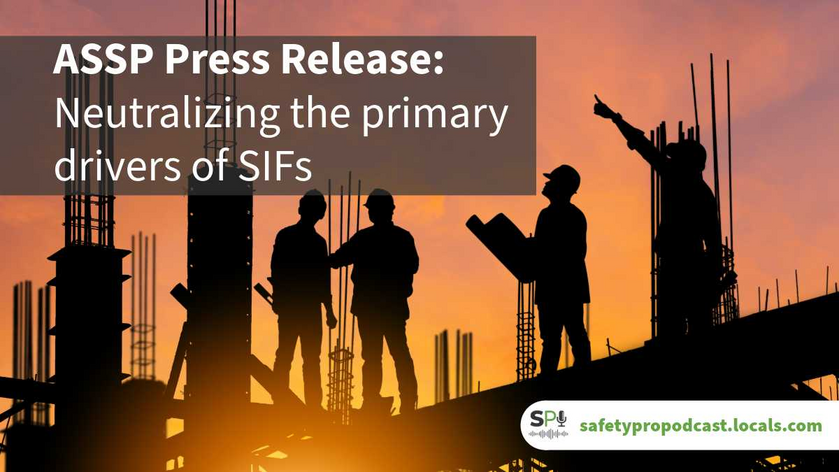
ASSP Signals Shift Toward "Powered Action" to Neutralize Top Workplace Hazards
Addressing the "lethal leaders"

PARK RIDGE, IL-  January 13, 2026 — The American Society of Safety Professionals (ASSP) is redefining the industry’s approach to worker protection by moving beyond passive observation toward a future of powered action. Recognizing that safety and health is the bedrock of a high-performing enterprise, the Society will continue focusing its lens on the Serious Injuries and Fatalities (SIF) and Potential Serious Injuries and Fatalities (PSIF) that continue to disrupt operations and end lives.

Rather than accepting workplace incidents as an inevitable cost of doing business, ASSP is shifting the paradigm by isolating top hazards and neutralizing their causes where they live: on the shop floor, at the construction site, and in the heart of our infrastructure.

“We recognize that safety and health excellence cannot be achieved in a vacuum,” said ASSP President Linda Tapp, CSP, ALCM, CPTD. “By uniting our rigorous standards with the cutting-edge capabilities of our technology partners, we are moving safety and health from a policy page to the front line. This is safety and health by industry, for industry, where businesses lead businesses to protect our most valuable asset: our people.”

Neutralizing the "Lethal Leaders"

ASSP’s immediate strategy involves removing barriers to effective action by addressing the "lethal leaders"—the primary drivers of SIFs—which are reflected in the most recent OSHA Top 10 Most Frequently Cited Standards:

  • Falls from Heights: To address the most frequent OSHA violation, ASSP will continue deploying and enhancing our world-class standards [ANSI/ASSP Z359] and technology to ensure working at height is never a death sentence.
  • Lockout/Tagout (LOTO): To eliminate energy-related fatalities, the Society is moving best practices out of manuals and directly into the hands of the frontline through our world class standards addressing the control of hazardous energy [ANSI/ASSP Z244 and A10].

A Shared Mandate for the Future

This new direction emphasizes that the industry already possesses the data and has access through ASSP to the standards required to make a difference; it now requires the collective will to ensure every worker returns home. While ASSP prepares to share more details later this month on how organizations can directly collaborate to solve these challenges, the mission remains clear.

“Ending injuries, illnesses, and fatalities at work isn't just a goal, it is our shared mandate for a resilient future,” Tapp added.

About the American Society of Safety Professionals

For more than 100 years, ASSP has supported occupational safety and health professionals in their efforts to prevent injuries, illnesses, and fatalities. With a global membership of over 35,000, the Society provides the technical expertise and leadership necessary to drive meaningful change in the safety profession.

Read full Article
See More
Available on mobile and TV devices
google store google store app store app store
google store google store app tv store app tv store amazon store amazon store roku store roku store
Powered by Locals